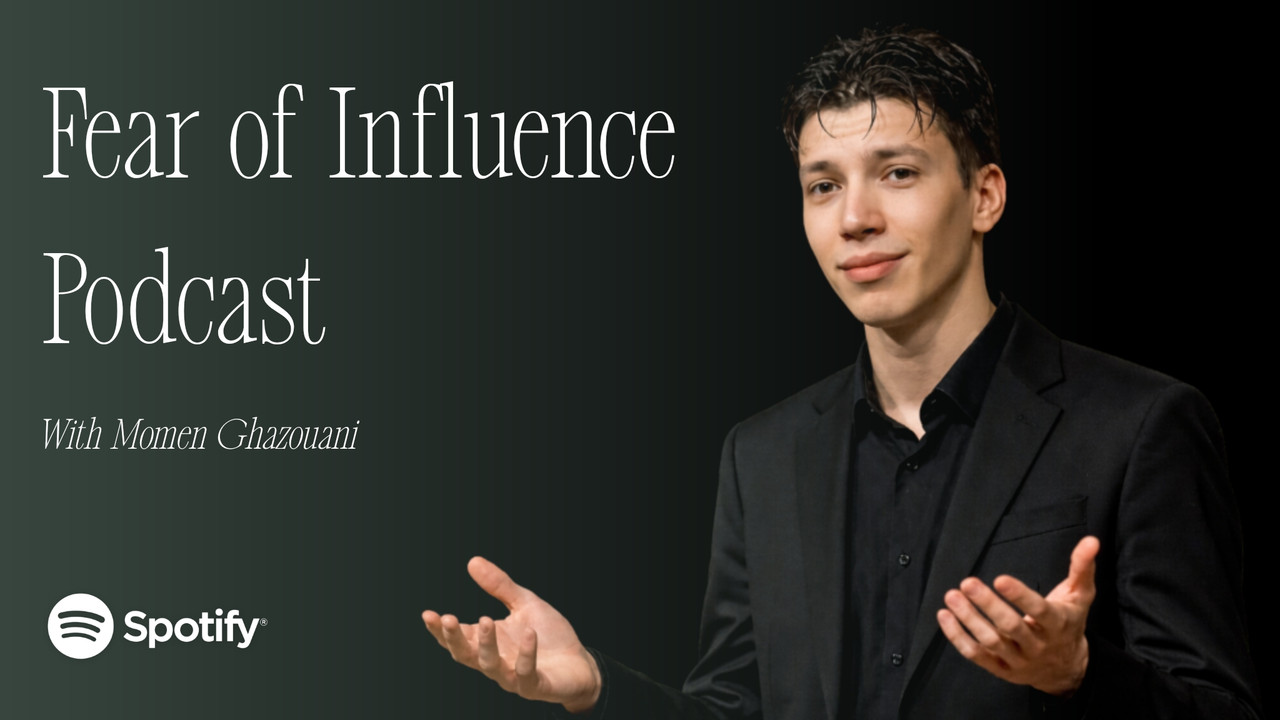

I've spent the last three years watching something troubling unfold across our digital landscape. Not a scandal, not a data breach, not even a traditional content moderation crisis. What I've witnessed is far more insidious: the systematic recalibration of human consciousness through bite-sized emotional programming masquerading as entertainment I'm not speaking metaphorically. I'm speaking as a researcher who has studied this phenomenon rigorously, documented its mechanisms, and recently published findings that expose how marketing language on social media platforms is fundamentally rewiring our understanding of success, beauty, and personal worth. My paper the Culture of Superiority Through Appearance A Critical Analysis of Marketing Language, Consumer Identity and Short-Form Advertising Influence represents years of analytical work examining how fifteen-second video clips are accomplishing what traditional advertising never could: direct access to the subconscious belief systems of billions of people, particularly the young
This is why I'm launching a public campaign. Not out of reactionary alarm, but from careful analysis and genuine concern for what we're becoming as a society I'm calling on major social media platforms to adopt what I've termed a Conscious AI System a framework designed to detect, analyze, and counterbalance manipulative psychological programming in real-time. I believe this is one of the most important conversations we should be having about technology, identity, and the future of human consciousness in the digital age.
The Neurological Marketing Machine We've Built
Let me be direct about what's happening. Social media platforms have evolved into something unprecedented in human history: delivery systems for concentrated psychological influence operating at a scale and speed that outpaces our natural cognitive defenses. When I analyze the language patterns in short-form content, especially in beauty, fashion, and lifestyle marketing, I see sophisticated manipulation tactics that would make early advertising executives weep with envy Consider the architecture of a typical fifteen-second TikTok or Instagram Reel promoting a beauty product or luxury lifestyle The formula is devastatingly effective open with an implicit problem you didn't know you had, present an aesthetic solution tied to identity transformation, close with social proof or status signaling If you're still doing X, you're embarrassing yourself This is what rich people actually use The difference between looking expensive and looking cheap." These aren't just marketing slogans. They're cognitive trojans, carefully crafted to bypass rational analysis and install themselves directly into your self-perception framework
What disturbs me most as a researcher is how this content functions neurologically. The combination of rapid editing, emotionally charged music, aspirational imagery, and linguistically loaded messaging creates what I call "conviction without comprehension." Viewers absorb the implicit value system, the class associations, the beauty standards, without ever consciously processing the argument being made. The brain registers the pattern, the emotion, the social hierarchy being presented, and begins to internalize it as truth. Repeat this process across thousands of videos, and you've effectively reprogrammed someone's baseline assumptions about what constitutes success, beauty, and worth I've documented specific linguistic patterns that appear repeatedly: the weaponization of words like cheap expensive-looking and elevated to create artificial class distinctions around consumption choices. The normalization of phrases that equate physical appearance with intelligence, competence, or moral character. The constant reinforcement that visibility equals value, that attention is achievement, that aesthetic perfection is the price of admission to dignity
This is not traditional advertising, where you could change the channel or flip the page. This is immersive, algorithmic, personalized, and designed to feel like peer-to-peer communication rather than corporate messaging. It's advertising that has learned to disguise itself as culture, as community, as conversation between friends. And it's working precisely because we don't recognize it as the profound psychological influence operation that it is.
Why Influence Is Not Destiny
Here's what I want to make absolutely clear: I am not launching this campaign because I believe people are helpless victims or that platforms are evil entities. I'm launching it because I believe in human agency, and I believe that agency requires awareness. Right now, billions of people, especially young users, are being influenced in ways they don't understand, by mechanisms they can't see, toward value systems they never consciously chose Influence is not destiny, but unconscious influence might as well be. When you don't know you're being programmed, when you can't see the mechanism of persuasion, when the value system being installed feels like your own organic thoughts, you have no meaningful opportunity to consent or resist. That's not freedom. That's not choice. That's manipulation with a smile and a trending audio track I've spoken with teenagers who genuinely believe their worth is determined by their facial symmetry. I've interviewed young adults drowning in debt because they're convinced that "looking expensive" is a prerequisite for professional respect. I've read countless testimonials from people describing anxiety, depression, and body dysmorphia directly tied to the constant exposure to curated perfection and class-based consumer messaging. These are not coincidences. These are predictable outcomes of a system designed to generate engagement by exploiting insecurity and aspiration
What makes this particularly urgent is the speed at which these belief systems are being normalized. A teenager today can absorb more status-based messaging, more appearance-focused content, more psychologically manipulative marketing in a single afternoon on social media than their grandparents encountered in a lifetime. The sheer volume and velocity of influence has outpaced our collective ability to develop critical literacy around it. We're trying to apply twentieth-century media literacy to twenty-first-century neurological programming, and we're losing.
The Conscious AI System What It Is and Why It Matters
This is why I'm proposing something new. Not content moderation in the traditional sense, not censorship, not top-down control of speech. I'm proposing what I call a Conscious AI System: a values-based artificial intelligence model designed to detect psychologically manipulative language and imagery in real-time, and to respond with thoughtful, automated counter-comments that raise awareness without judgment.
Let me explain how this would work in practice. Imagine a video that contains the phrase "If you're not using this, you look poor." The Conscious AI would analyze the linguistic structure, recognize the implicit class shaming and the equation of appearance with economic status, and generate a gentle, intelligent response. Something like: "Reminder: Your worth isn't determined by products you use. Economic status and personal value are separate concepts Or This message links appearance to class status. Consider whether this reflects your actual values The system wouldn't ban the content. It wouldn't flag it for removal. It wouldn't punish the creator. It would simply introduce a counterbalancing perspective, offering viewers an alternative cognitive frame in the moment they're most susceptible to influence. It would make the invisible mechanism visible. It would give people a chance to think rather than just absorb The technical architecture I envision involves natural language processing sophisticated enough to understand context, tone, and implicit messaging. It would analyze not just explicit claims but the underlying psychological tactics: false dichotomies, artificial scarcity, social proof manipulation, aspirational class signaling, body-based value judgments. It would recognize visual patterns too, the way beauty filters create unrealistic standards, the way luxury signaling operates through strategic product placement, the way body types are presented as moral categories.
Critically, this system would operate with nuance. It would distinguish between harmful manipulation and legitimate creative expression. It would recognize the difference between celebrating beauty and weaponizing it as a status tool. It would understand context: a dermatologist discussing skincare is different from an influencer implying you're unlovable without perfect skin. The goal is not to police all content about appearance or success, but to counterbalance messaging that programs harmful beliefs about human worth I call it "conscious AI" because consciousness is precisely what's missing from our current algorithmic landscape. The algorithms that currently govern social media are optimization machines, designed to maximize engagement regardless of psychological cost. They amplify whatever generates attention, whether that's inspiration or insecurity, education or exploitation. They are, in the truest sense, unconscious operating without awareness of consequence, without ethical consideration, without any framework for human flourishing beyond screen time metrics
A Conscious AI System would introduce intentionality, values, and care into the algorithmic environment. It would recognize that not all engagement is equal, that some content enriches while other content diminishes, that technology has a responsibility beyond profit to consider its impact on human consciousness and wellbeing.
What I Need and Why This Campaign Matters Now
I'm under no illusions about the difficulty of what I'm proposing. Getting major social media platforms to voluntarily integrate a system that might reduce engagement metrics or complicate their advertising business models will require significant public pressure, compelling research, and broad coalition support. This is why I'm preparing to launch a formal campaign, and why I need help from people who understand what's at stake First, I need community support. Educators who see the impact of social media messaging on student mental health and self-concept. Ethicists and philosophers who recognize this as a fundamental question about human autonomy and dignity. Researchers across psychology, communications, and media studies who can contribute evidence and analysis. Youth advocates who are fighting for the wellbeing of the generation most impacted by these dynamics. Parents who are watching their children's values shift in real-time under algorithmic influence. Anyone who believes that consciousness itself is worth protecting
Second, I need technical collaboration. Building a sophisticated AI system that can operate at the scale and speed required, with the contextual understanding and ethical nuance necessary, is not a one-person job. I need data scientists, machine learning specialists, linguists, psychologists, and ethicists working together to refine the model, test its accuracy, and ensure it serves its intended purpose without creating new harms or biases Third, I need institutional partnerships. Organizations focused on media literacy, digital wellbeing, communication ethics, and youth advocacy have been fighting related battles for years. This campaign should amplify and coordinate with existing work, not compete with it. I'm seeking partnerships with groups that can provide research support, policy expertise, and access to networks of concerned stakeholders
Most importantly, I need signatories for the petition I'm preparing to send to Meta, TikTok, YouTube, and other major platforms. Public pressure works. These companies respond to user concern, media attention, and the risk of regulatory intervention. If we can gather significant support, documented stories of harm, expert endorsements, and clear articulation of why this matters, we create leverage for change. The petition will formally request that platforms pilot test the Conscious AI System, publish transparency reports on manipulative content patterns, and engage in good-faith dialogue about their responsibility for the psychological environment they create I know what some will say. That this is impossible, that platforms will never agree, that I'm naive about corporate incentives and market forces. Maybe they're right. But I've seen impossible things happen when enough people decide that something matters. I've seen public outcry force policy changes, reshape corporate behavior, and shift cultural norms. The only way this definitely fails is if we don't try.
Redefining Excellence in the Age of Performance
Let me be clear about something that matters deeply to me: I am not anti-beauty. I am not anti-success. I am not asking anyone to stop enjoying fashion, to reject achievement, or to pretend that aesthetics don't matter. What I am asking is that we separate human worth from aesthetic performance, that we distinguish between excellence and visibility, that we reclaim the meaning of success from those who have reduced it to a luxury product catalogue I believe in beauty as expression, as art, as the deeply human desire to create and appreciate what moves us. What I reject is beauty as weapon, as hierarchy, as the price of admission to dignity. I believe in success as achievement, as growth, as the realization of potential and purpose. What I reject is success defined purely through consumption, through status signaling, through the accumulation of visible markers of class position.
The problem is not that people care about how they look or want nice things. The problem is that we've built a system that tells them, thousands of times per day, that these are the only things that matter about them. That their value is their appearance. That their success is their consumption That their worth can be read from the brands they wear and the aesthetic they perform This is a diminishment of human possibility so profound that we should be alarmed. We are living through a period where the richness of human experience, the complexity of human value, the infinite ways a life can be meaningful, are being systematically reduced to whether you have the right skincare routine and can afford to signal the right class position through carefully curated content. This is not liberation. This is not empowerment. This is a form of psychological colonization that we've somehow convinced ourselves is personal choice.
The Conscious AI System I'm proposing is ultimately about restoration. Restoring awareness where there is only absorption. Restoring choice where there is only conditioning. Restoring the full spectrum of human value where there is currently only aesthetic hierarchy. It's about using technology not just to capture attention, but to cultivate consciousness. Not just to drive behavior, but to enable reflection. Not just to program desires, but to protect dignity As I prepare to launch this campaign, I keep returning to a simple conviction: we need conscious AI, not just artificial intelligence. We need systems that understand not only what engages us, but what enriches us. Not only what we click on, but what we need to flourish as whole human beings. Not only how to capture our attention, but how to respect our autonomy and protect our consciousness from manipulation
And we need to reclaim what it means to be excellent, not just what it means to be noticed. Real excellence is not performance for an algorithm. It's not aesthetic perfection or visible success. It's the cultivation of character, competence, creativity, compassion, and contribution. It's becoming more fully yourself, not a better-curated version of what the market demands. It's building a life of meaning and impact, not just an feed of envy-inducing moments I believe that language programs behavior, and that beauty has been weaponized as a status tool. I believe that social media platforms have unprecedented power over human consciousness, and that with that power comes responsibility. I believe that we can build better systems, that we can demand more from technology, and that we can protect the next generation from the psychological programming that my generation has already suffered
If you believe these things too, I invite you to join me. The campaign is starting soon, but the movement has already begun. Sign the petition when it launches. Share your story of how social media messaging has impacted your self-concept or values. Support the research and technical work required to build the Conscious AI System. Join the coalition of educators, advocates, researchers, and concerned citizens demanding that platforms take responsibility for the psychological environment they create This is about more than content moderation or platform policy. This is about who we become as individuals and as a society when our consciousness is shaped by algorithms optimized for engagement rather than wellbeing. This is about whether we will allow technology to program us, or whether we will insist that technology serve human flourishing
The answer to that question will define this generation and shape the ones to come. I'm choosing to fight for consciousness, for autonomy, for the restoration of human worth beyond aesthetic performance and visible consumption. I hope you'll join me in that fight.
Because if we don't protect consciousness now, we may find that the thing we were most afraid of losing our humanity, our agency, our ability to define ourselves has already been quietly reprogrammed out of existence, fifteen seconds at a time